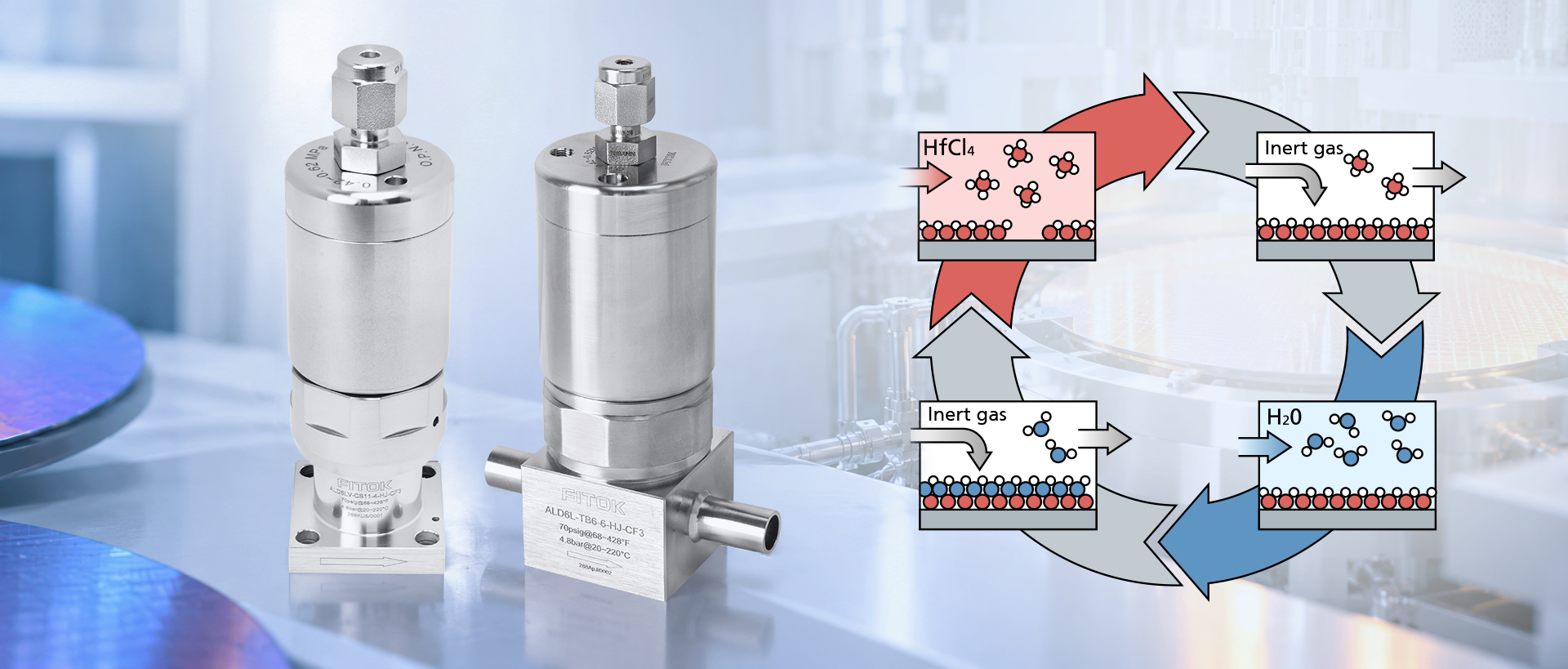
As the semiconductor industry continues to advance, shrinking device feature sizes are placing increasingly stringent demands on semiconductor manufacturing processes. Atomic Layer Deposition (ALD), a self-limiting surface reaction technique, has become a cornerstone of advanced semiconductor manufacturing, enabling precise control of film thickness.
Achieving the precision required for these processes depends not only on high-vacuum reaction chambers but also on highly precise gas delivery and control systems. FITOK ALD series diaphragm valves feature long cycle life, fast response, and excellent flow consistency, supporting precise and repeatable gas delivery throughout the process. Designed for ultra-high-purity applications, these valves are particularly well suited to advanced ALD processes with stringent valve performance requirements.
ALD Processes’ Stringent Fluid Control Requirements
As semiconductor feature sizes shrink below 45 nm, high-k dielectric materials are increasingly used in gate dielectrics to meet performance and power consumption requirements. Hafnium oxide (HfO₂) is one important example. ALD enables high-quality thin-film deposition on complex three-dimensional structures through alternating, self-limiting surface reactions between different reactants and active sites on the substrate surface. In an ALD process using hafnium tetrachloride (HfCl₄) as the precursor and water (H₂O) as the co-reactant, each deposition cycle consists of two half-reactions:
Half-reaction A (HfCl₄ pulse): HfCl₄ reacts with surface hydroxyl sites (Hf–OH*).
Half-reaction B (H₂O pulse): H₂O reacts with surface chlorine-terminated sites (Hf–Cl*).
Purge steps are typically performed between the two half-reactions to remove residual reactants and gaseous by-products, allowing the film to grow incrementally with each cycle.
This process requires extremely short gas pulse durations, typically on the order of milliseconds, while maintaining exceptionally high dosing consistency. In addition, increasingly common hafnium-, tantalum-, and molybdenum-based precursors, such as hafnium tetrachloride (HfCl₄), tantalum pentachloride (TaCl₅), and molybdenum pentachloride (MoCl₅), must maintain a stable phase state at elevated temperatures to prevent condensation.
A wide variety of precursors are used in atomic layer processes (ALD). Some precursors, such as tantalum-, indium-, and hafnium-based compounds, have low vapor pressures at room temperature and may even exist as low-volatility liquids or solids. These properties make them susceptible to condensation or deposition on the internal surfaces of gas delivery lines and valves. Heating the delivery lines and associated valves is therefore essential to maintain stable precursor delivery. Atomic layer processes demand exceptionally precise precursor temperature control and stable precursor delivery. For example, a temperature deviation of just 0.1 °C for HfCl₄ can cause vapor pressure fluctuations of 5%–8%, potentially affecting precursor dosing.
To meet the need for temperature uniformity during high-temperature precursor delivery, FITOK’s thermal immersion ALD series diaphragm valves support heating the entire valve body and actuator assembly to temperatures of up to 220 °C. This can typically be achieved by placing the complete valve assembly in an oven or using a heating jacket. Unlike traditional thermal model ALD diaphragm valves, which incorporate thermal isolation between the valve body and actuator and can consequently develop temperature gradients, the thermal immersion design allows the valve body and actuator to be heated together. This promotes a more uniform temperature distribution throughout the assembly, reduces the risk of precursor condensation inside the valve, and improves process stability.
💡
FITOK’s thermal immersion ALD series diaphragm valves support heating the entire valve body and actuator assembly to temperatures of up to 220 °C. This promotes a more uniform temperature distribution throughout the assembly, reduces the risk of precursor condensation inside the valve, and improves process stability.
Figure 1 presents the heating test results for three FITOK ALD series diaphragm valve models. During testing, the valve bodies of the standard and thermal models were heated, with the temperature at the valve seat within the flow path maintained at 200 °C. The results indicate that both models exhibited some degree of temperature nonuniformity. By contrast, the thermal immersion model achieved a more uniform temperature distribution by heating the entire valve assembly, making it better suited to applications with stringent temperature uniformity requirements.
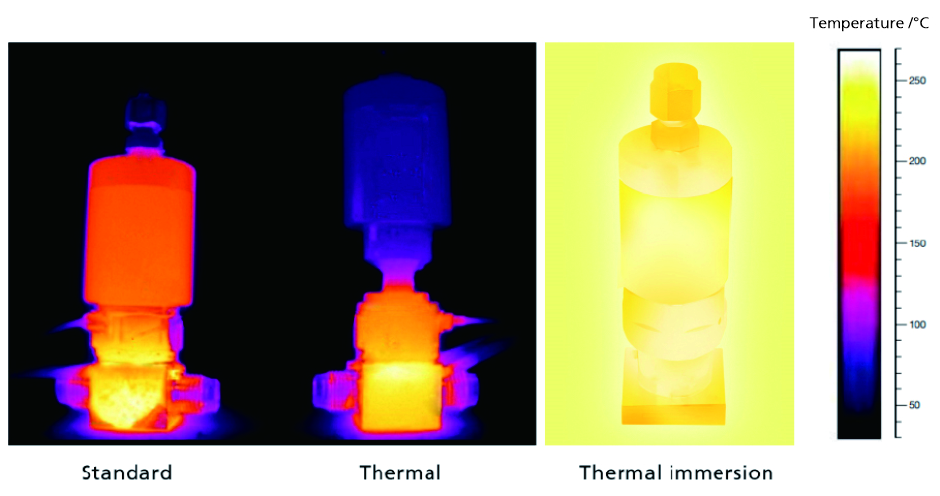
Figure 1: Three FITOK ALD Series Diaphragm Valve Models
- Excellent Flow Consistency
ALD is an atomic-scale reaction process in which a single film deposition typically requires numerous process cycles, with only a very small amount of precursor delivered during each cycle. This places high demands on valve flow consistency and response time. FITOK’s ALD series diaphragm valves offer excellent Cv consistency throughout their service life, maintaining stable flow characteristics over extended cyclic operation. This helps improve gas delivery consistency from cycle to cycle and enhances process repeatability.
ALD meets the deposition requirements of complex three-dimensional structures, enabling the fabrication of high-aspect-ratio features. The process frequently involves unstable media that may be toxic or hazardous to both the environment and human health. Consequently, valve sealing reliability under high-temperature operating conditions is critical. FITOK’s thermal immersion ALD series diaphragm valves maintain reliable sealing performance even when the entire valve assembly is heated to elevated temperatures, helping reduce the risk of process media leaking into the external environment.
In ALD processes, the flow coefficient (Cv) of system valves is one of the key parameters affecting transient process gas flow and pulse response characteristics, which in turn influence self-limiting surface adsorption reactions. The ALD-6 has a Cv of 0.62, approximately 2.3 times that of the original ALD-4. In addition, the Cv of each ALD series valve can be individually configured according to process parameters to accommodate the flow capacity requirements of different applications.
Meeting Increasingly Demanding Working Conditions
Since launching its first ALD series diaphragm valve, the ALD-4 standard model, FITOK has continued to respond to evolving market trends and customers’ customized requirements. The series has undergone two major product upgrades focused on flow capacity and working temperature, resulting in the introduction of the ALD-6, with a Cv of 0.62, and the thermal immersion diaphragm valve (with -HJ included in the part number), which supports heating of the entire valve assembly. Figure 2 illustrates the distribution of FITOK ALD series diaphragm valves in terms of working temperature and Cv value.
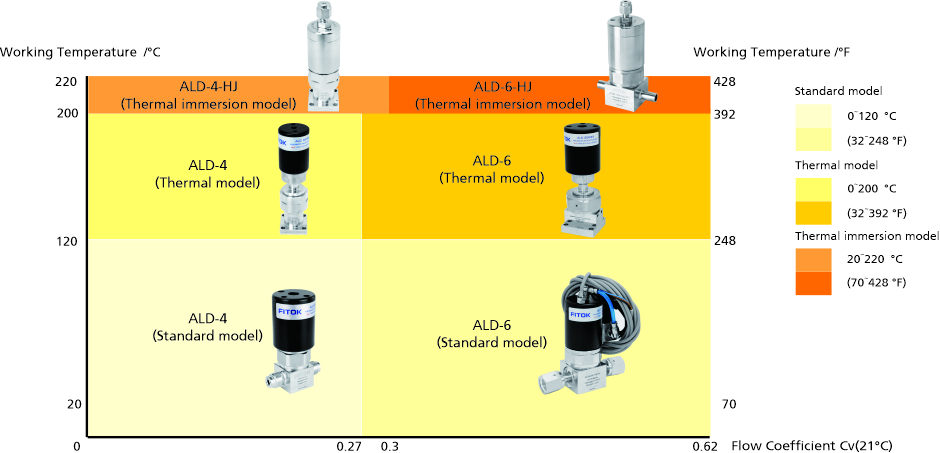
Figure 2: FITOK ALD Series Diaphragm Valves
In addition, FITOK’s ALD series diaphragm valves are available in three-port configurations (W/C-seal only), branch configurations (Figure 3), and valve manifolds to accommodate different valve integration requirements. Three-port and branch configurations enable a single valve to deliver precursors to multiple lines. Valve manifolds integrate delivery and purge functions into a single assembly, helping conserve installation space and reduce potential leak points associated with connections between individual valves. The metal diaphragm sealing design effectively isolates the internal flow path from the external environment, providing reliable sealing performance throughout the valve’s service life.
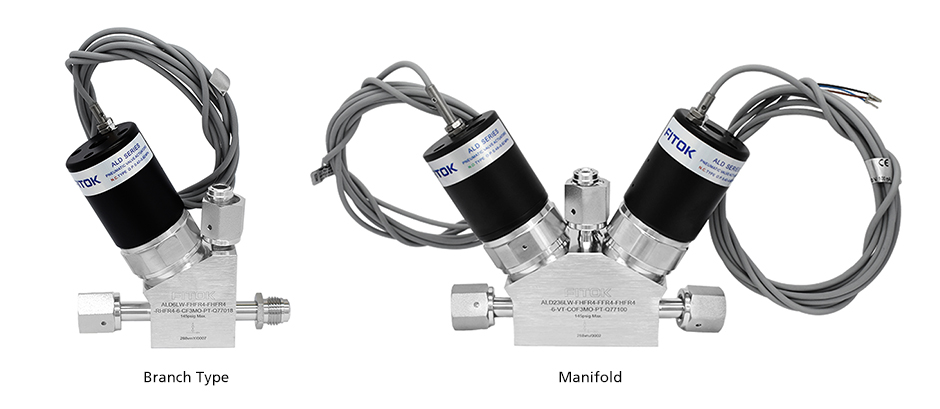
Figure 3: ALD Series Diaphragm Valves in Various Configurations
Looking ahead, FITOK will continue to work closely with customers to understand the evolving requirements of advanced semiconductor manufacturing processes. Through ongoing product innovation and technological development, FITOK is committed to delivering stable and reliable fluid control solutions that help customers meet increasingly demanding process challenges.




